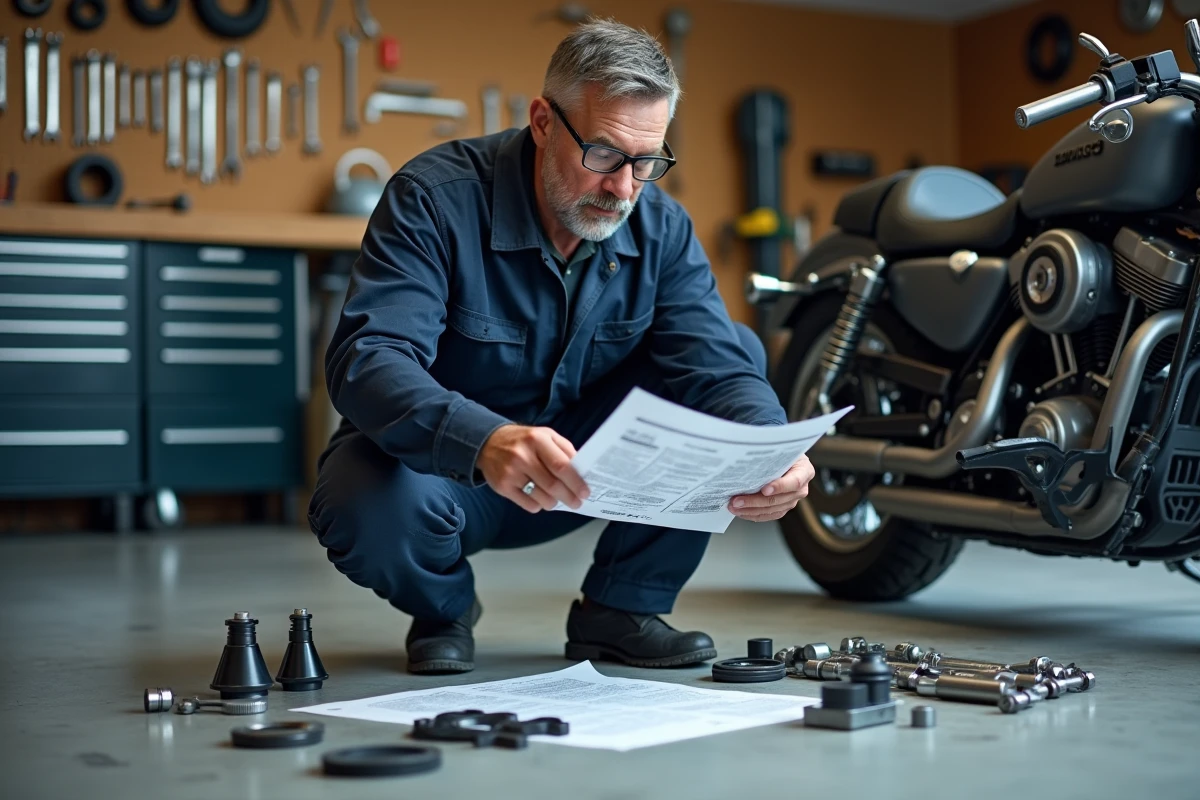
We regularly receive the same question in motorcycle forums: the kit is ordered, the garage is ready, but the registration document is missing. Converting a motorcycle into a trike is not just about bolting on a rear axle. The real starting point is the administrative compatibility of the project with the homologation rules of your country.
Trike Homologation: The Blockage That No One Details Before Purchasing the Kit
Most commercial pages on conversion kits quickly gloss over this topic. There is a lot of talk about independent suspension, fiberglass bodywork, matching paint. Rarely is there mention of the file to be assembled for the converted vehicle to obtain compliant registration.
The administrative process varies based on several criteria: the origin of the vehicle (imported or not), whether there is a manufacturer agreement for the conversion, and local regulations. An imported vehicle outside the EEA follows a different path than a motorcycle purchased in France or the European Economic Area. In some cases, a prior request to the relevant regional service is necessary even before starting the work.
If you choose a motorcycle-to-trike conversion kit without first checking that your motorcycle can be reclassified administratively, you risk ending up with a vehicle that cannot be registered, even if the mechanical assembly is flawless.
Before pulling out your credit card, it is recommended to contact the DREAL (or its equivalent in your country) with the chassis number, make, model, and year of the motorcycle. You will know in a few exchanges if the project is viable without having to redo a homologation file from scratch.
Chassis Compatibility and Trike Kit: What to Verify in the Workshop
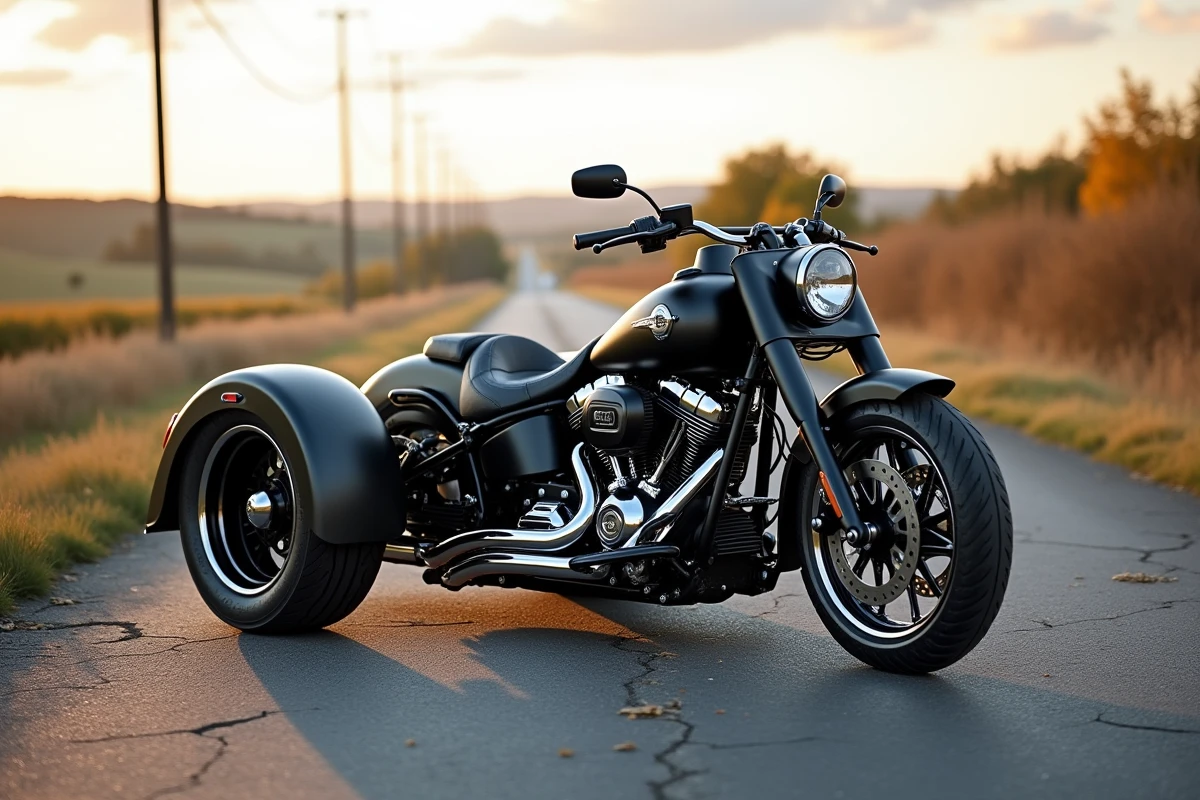
A trike kit is not universal. Manufacturers like Motor Trike or California Sidecar design kits specific to certain platforms: Harley-Davidson Street Glide, Ultra Glide, Honda Gold Wing, Indian Challenger, among others. The kit must match the original chassis exactly, not just the brand.
What changes from one model to another:
- The anchoring point of the swingarm and the width of the rear frame, which determine the attachment of the trike axle
- The original braking system (integrated ABS or not), which conditions the necessary hydraulic adjustments
- The electronic management of the vehicle, especially on recent motorcycles where the ECU monitors the rear wheel
Sometimes, makeshift conversions are seen on models not listed by the kit manufacturer. Feedback varies on this point, but the result heavily depends on the experience of the workshop. A kit designed for a Harley Tri Glide does not fit a Softail without heavy modifications, and these modifications can compromise safety as much as homologation.
The Role of the Workshop in the Success of the Project
Specialized workshops position trike conversion as a niche technical service. It is not just an accessory installation. The swingarm, rear tire, shock absorbers, and brake are replaced with a complete set. The quality of the workshop integration is as important as the kit itself.
A good workshop checks the steering play (triple tree), adjusts the axle alignment, and ensures that the road behavior remains predictable. You do not drive a trike like a motorcycle: counter-steering disappears, the trajectory in turns changes, and the center of gravity shifts backward.
Driving Adjustments After Trike Conversion
This is an aspect that new trike owners underestimate. Once the conversion is done, the motorcycle is no longer ridden in the same way. The turn is negotiated by turning the handlebars in the desired direction, without leaning the vehicle. For someone who has been riding a motorcycle for years, this change requires a real adjustment period.
Points to work on from the first kilometers:
- Braking, which is now distributed over three wheels with different behavior in curves
- The width of the vehicle, which requires recalculating trajectories in town and on narrow roads
- The sensitivity to road camber, which the trike handles differently than a leaning motorcycle
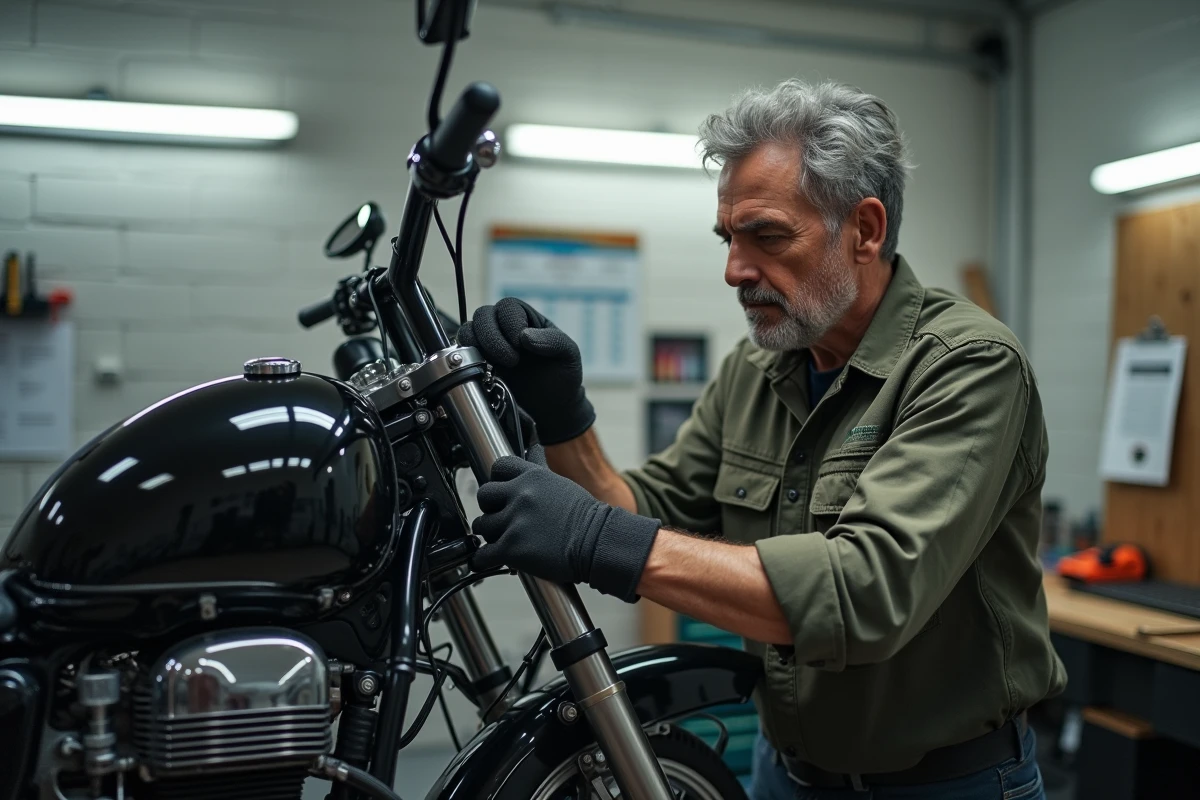
Some installers offer a familiarization session in a parking lot after delivery. It is advisable to take this session systematically, even with extensive motorcycle experience. The trike is less forgiving of trajectory errors when entering a turn than a two-wheeler.
Custom Trike Kit or Catalog Kit: Decide Based on Your Project
Catalog kits (Motor Trike, California Sidecar, Roadsmith) cover the most common models: Harley-Davidson, Honda Gold Wing, Indian. Their main advantage is the technical documentation and validated compatibility with the original chassis. The homologation file is easier to compile when the kit manufacturer provides a detailed technical sheet.
Custom kits, often offered by independent workshops, open the door to conversions on models not covered by major manufacturers. The trade-off: costs increase, timelines extend, and the issue of homologation becomes more complex. Without a manufacturer sheet, it is up to the workshop to produce the necessary technical documents.
What Tips the Balance
For a Harley Ultra Glide or a Gold Wing, a well-installed catalog kit remains the safest choice in terms of safety, resale, and administrative compliance. Custom solutions are justified when no catalog kit exists for your model and you are willing to invest in a more complex homologation file.
The change of category on the registration document, insurance adjustments, and updating the technical inspection: all of this stems from the initial choice of the kit and the rigor of the assembly. A well-prepared trike project in advance, with the right administrative checks and the right workshop, runs smoothly once on the road.