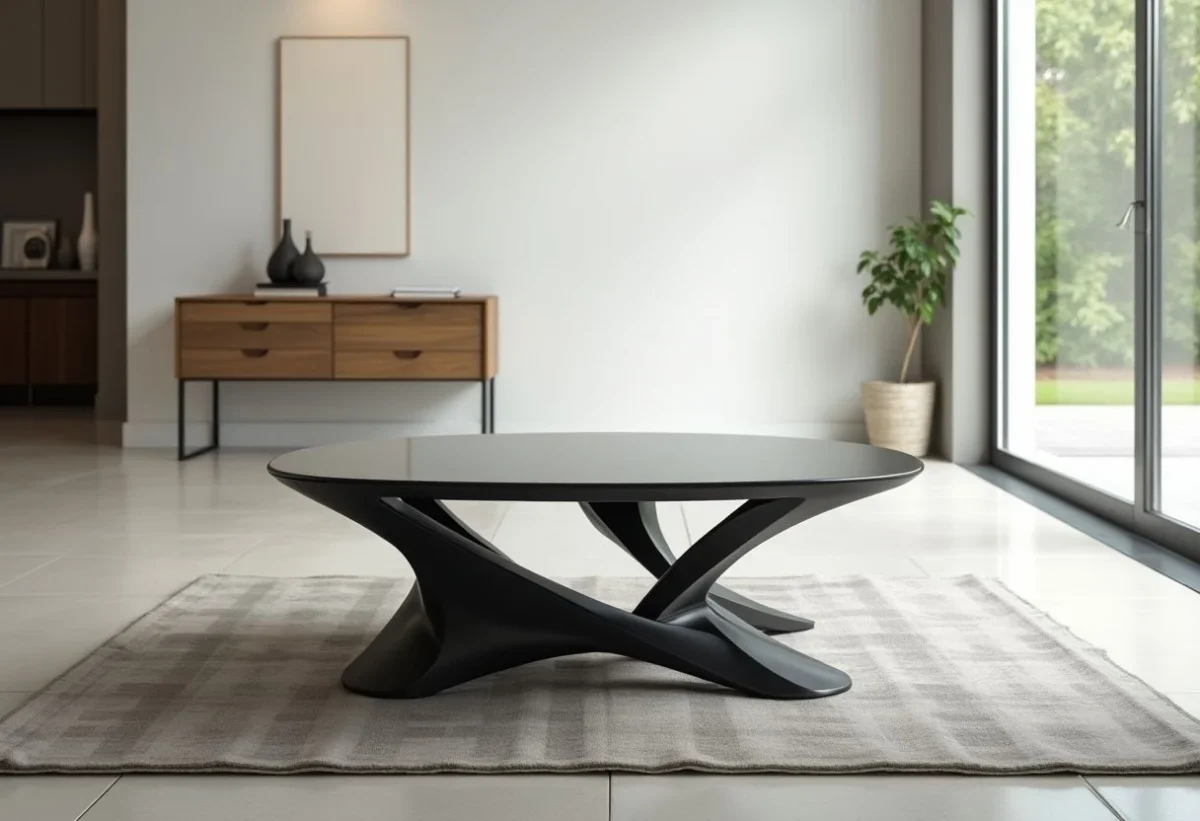
In the world of interior design, certain pieces of furniture stand out for their presence and versatility. The coffee table fits perfectly into this category. More than just a piece of furniture, it becomes a true aesthetic and functional asset. Whether you place magazines, coffee cups, or decorative objects on it, it inevitably draws the eye. By wisely choosing this piece, you can transform the atmosphere of your living room, creating a welcoming and harmonious space.
Historical Evolution of the Coffee Table
Since its creation, the coffee table has continuously evolved to meet the needs and tastes of each era. This piece of furniture finds its earliest incarnations during the 17th century, but it is truly in the 20th century that it flourishes. Indeed, it is at this time that design takes a prominent place in its conception.
- Ancient Origins: Initially, coffee tables were designed for tea salons in Asia, where they served to support everyday objects.
- European Expansion: Upon its introduction to Europe, the coffee table metamorphoses to adapt to the living rooms of bourgeois homes.
- Modernization: Over the decades, many renowned designers have contributed to its popularity, adding contemporary touches that have made it a staple of modern furniture.
The Different Styles of Coffee Tables
The choice of a coffee table is often based on the style it will confer to a living room. Some will prefer a sleek design, while others will opt for a bolder piece.
The Scandinavian style appeals with its light wood and clean lines, offering a warm and bright atmosphere.
Fans of the industrial style will appreciate raw materials such as metal and reclaimed wood. Classic enthusiasts will be drawn to solid wood models with meticulous finishes.
Finally, the contemporary style offers bold, sometimes futuristic lines, using materials such as glass or chrome metal.
Functionality and Everyday Use
A coffee table is not limited to its simple appearance; it must also be functional. It should adapt to daily uses to maximize its utility.
- Storage: Some tables incorporate practical storage spaces, such as drawers or shelves, ideal for hiding remote controls or magazines.
- Versatility: Transformable models exist, which can convert into a dining table or a desk, thus meeting specific needs.
- Adaptability: With various dimensions, it finds its place in both large living rooms and small spaces, integrating perfectly into the environment.
Tips for Choosing the Ideal Coffee Table
Choosing the perfect coffee table can sometimes seem like a challenge, given the vast and varied offerings. However, a few criteria can guide your choice to find the model that best fits your space and needs.
Start by considering the ideal height of your coffee table in relation to the surrounding seating. A model that is too low or too high could detract from your guests’ comfort.
Next, think about the shape that harmonizes with your space: round, rectangular, or square, each shape has its specific advantages. The available space must also be taken into account; carefully measure your area to ensure smooth circulation.
Finally, don’t forget to pay attention to materials and colors so that they blend perfectly with the rest of your furniture and existing decor.