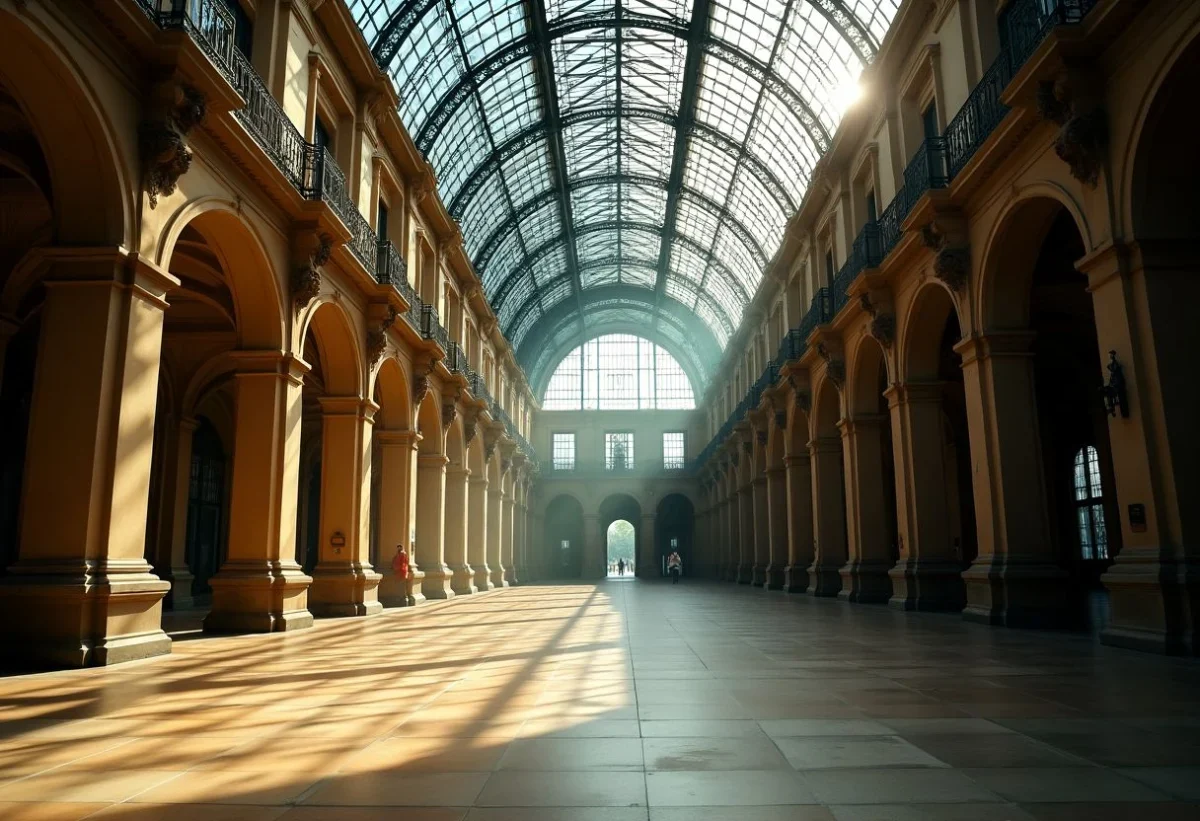
The glass roofs, these architectural structures that capture the imagination, are much more than just a decorative element. They embody a true symphony of light and space, bringing life to interiors that breathe. Far from being a recent innovation, their history dates back centuries, where they adorned religious buildings, offering breathtaking views while protecting from the elements. Today, these works of glass and metal are reinventing themselves, taking their place in our modern homes and adding a touch of sophistication. Their ability to transform a mundane room into a unique space flooded with natural light makes them an essential asset in contemporary architecture.
The historical origins of the glass roof
The glass roof has a rich history that spans several centuries, a true architectural adventure through time.
In the Middle Ages, glass roofs adorned Gothic cathedrals, allowing sacred buildings to be illuminated while telling biblical stories through their magnificent stained glass. These structures were not just windows, but true works of art that transformed light into a kaleidoscope of colors. The rise of glass manufacturing techniques over the centuries opened the door to increasingly bold creations.
By the end of the 19th century, industrial architecture adopted glass roofs for their factories and workshops, propelling this element into new perspectives. Modern artists and architects have reinvented them, exploring innovative forms and materials to meet today’s aesthetic and functional needs.
Types of glass roofs and their visual impact
There are different types of glass roofs, each with its own charm and unique aesthetic advantages.
The interior glass roof is particularly valued for separating spaces while maintaining visual transparency. It delineates without partitioning, promoting smooth circulation and an exchange of light between rooms. Exterior glass roofs, on the other hand, are often used to create winter gardens or additional rooms bathed in natural light.
They allow the outside to come inside, thus creating a bright and harmonious living space. Roof glass roofs, or skylights, add a vertical dimension, flooding interiors with zenithal light.
Each type of glass roof, whether interior, exterior, or roof, offers a distinct style and character to a space, playing with light and shadows to create a unique and personalized ambiance.
Materials used in the design of glass roofs
The design of a glass roof relies on a careful selection of materials that ensure both durability and aesthetics.
- Steel: Renowned for its strength and ability to support heavy structures while remaining elegant, steel offers an industrial and modern style.
- Aluminum: Lighter than steel, aluminum is appreciated for its corrosion resistance and ability to be shaped into various forms while maintaining a contemporary look.
- Wood: A traditional and warm choice, wood gives a more organic and authentic atmosphere, often used in residential contexts to soften and humanize the space.
- Glass: The heart of the glass roof, glass comes in many finishes, from clear to frosted, including laminated for increased safety.
The combination of these materials allows for the creation of glass roofs that integrate harmoniously into various architectural styles, from industrial to rustic, while meeting functional requirements for protection and insulation.
The benefits of glass roofs in modern living
Glass roofs are not only beautiful, they also bring numerous practical advantages to our living spaces.
Firstly, they optimize natural light, thus reducing the need for artificial lighting and contributing to a warm and welcoming atmosphere. This abundance of light also has a positive impact on our mood and well-being, highlighting the importance of designing spaces where light reigns. Furthermore, glass roofs improve air circulation, promoting better ventilation of interiors. They also contribute to energy savings, as a well-lit and ventilated home requires less heating and cooling.
Finally, glass roofs increase the aesthetic and market value of a property, adding a touch of modernity and refinement that appeals to potential buyers.