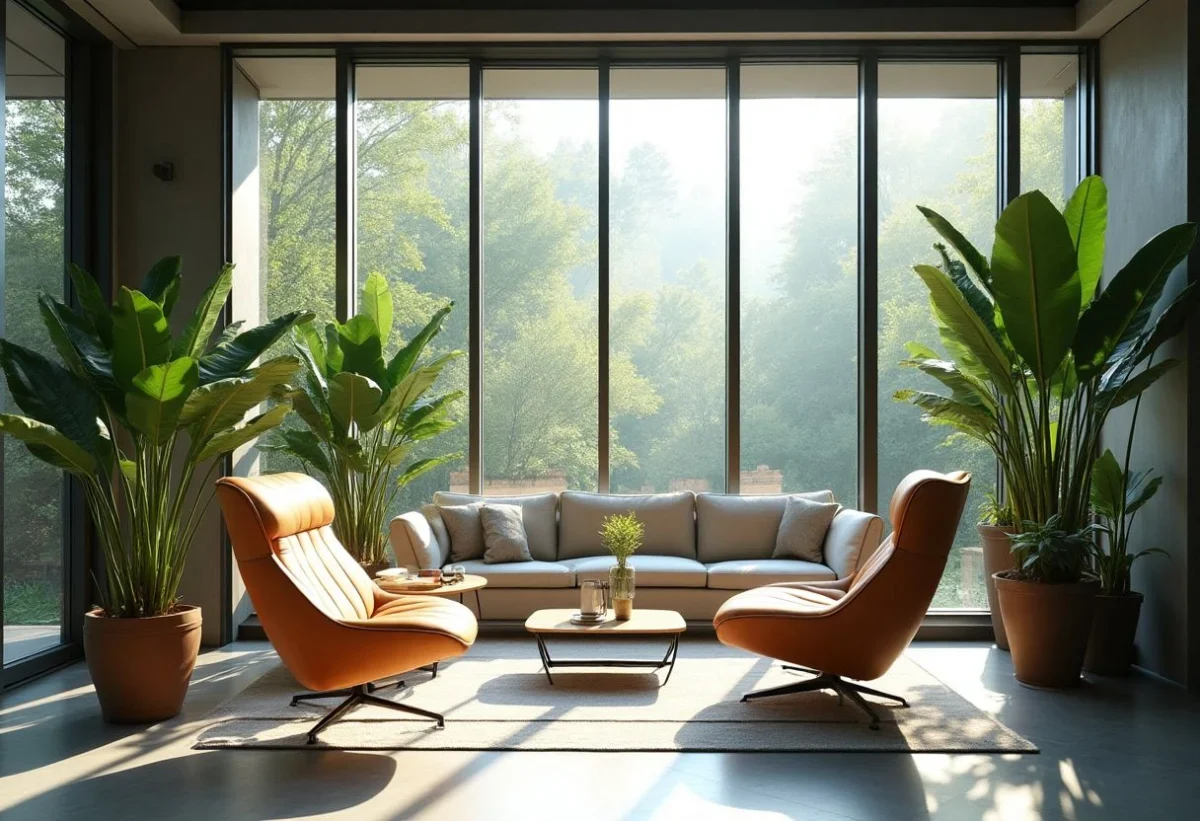
The glass wall, this subtle marriage of glass and metal, brings an unmatched natural light and a unique aesthetic to our interiors. This architectural element, long reserved for artists’ studios and orangery, is now winning the hearts of contemporary design enthusiasts. It acts as a link between the interior and the exterior, creating a space bathed in light while preserving intimacy. The magic of the glass wall lies in its ability to effortlessly transform a living space, infusing it with unparalleled elegance and warmth. Crossing eras without losing its splendor, it adapts to trends and fits harmoniously into a multitude of styles, from the most classic to the most avant-garde.
The historical origins of the glass wall
To understand the current popularity of the glass wall, it is essential to go back in time and explore its historical origins. This journey into the past reveals a rich and fascinating story.
- Antiquity and the Middle Ages: Since Antiquity, glass was used to create bright openings in sacred places. In the Middle Ages, Gothic cathedrals transformed stained glass windows into works of art, flooding their interior spaces with colored light.
- Renaissance and Industrial Revolution: The Renaissance saw the rise of orangeries, while the Industrial Revolution enabled mass production of glass, making glass walls more accessible.
- Modern Era: In the 20th century, the glass wall experienced a revival thanks to the modernist movement, which emphasized transparency and fluidity of spaces.
The different types of glass walls and their uses
Glass walls come in various shapes and sizes, each with a specific purpose, transforming not only the aesthetics of a space but also its ambiance.
The interior glass wall is often used to divide spaces without completely enclosing them, thus preserving the feeling of openness.
Among popular models is the artist’s studio glass wall, recognizable by its thin metal frames and geometric structure. It fits perfectly into industrial lofts and contemporary interiors. For those who prefer a more classic style, wooden glass walls offer natural warmth and a refined finish. As for custom glass walls, they adapt to all configurations, allowing for the creation of unique and personalized designs.
The interior glass wall adds a touch of sophistication while meeting the functional requirements of a space.
The advantages of the glass wall in a living space
Adopting the glass wall in a living space is not just a matter of aesthetics; it is a true transformation of daily life.
- Natural light: It maximizes the entry of natural light, thus reducing the need for artificial lighting and creating a warm atmosphere.
- Space optimization: It creates subtle divisions without compromising the feeling of space, ideal for interiors with limited square footage.
- Acoustic insulation: Although transparent, it can be equipped with acoustic glazing to reduce noise disturbances.
- Aesthetics and customization: It adds a touch of sophistication and can be customized in terms of materials and colors to harmonize with the existing decor.
How to choose and maintain a glass wall
To ensure that the glass wall is both functional and aesthetic, it is crucial to choose it wisely and maintain it properly.
Selecting the ideal glass wall requires considering several criteria, including location, type of glazing, and desired style. It is highly recommended to consult a professional to ensure a secure installation that complies with standards.
As for maintenance, it is advisable to use mild cleaners to preserve the transparency of the glass and the shine of the frames. Regular maintenance not only ensures its durability but also its ability to enhance the space.