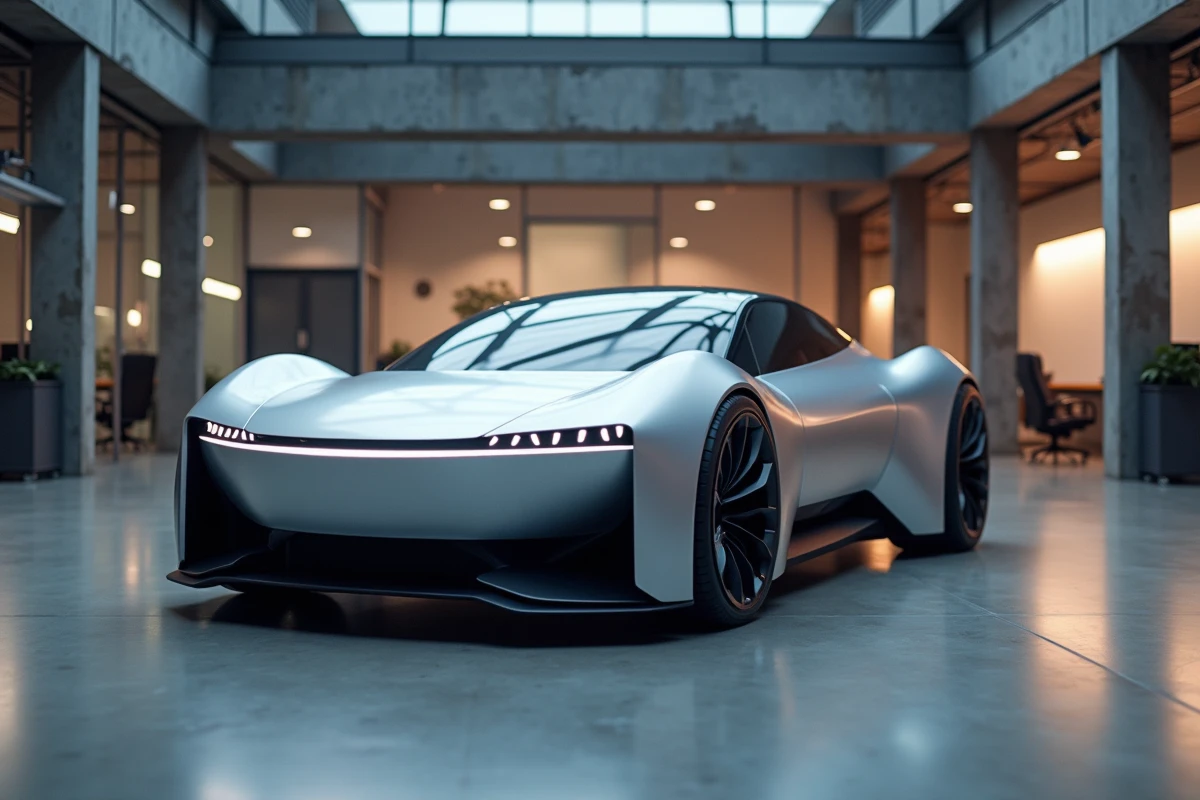
Compact electric SUVs with a sporty focus, high-tech customization on mainstream models, and the growing divide between urban and rural areas for charging: the automotive market of 2025-2026 is structured around technical fracture lines that generalist overviews often overlook. Here are the automotive trends that deserve close attention.
Sporty compact electric SUVs: the successors to thermal hot hatches
The tightening of emissions standards directly penalizes traditional coupes and hot hatches. The manufacturers’ response does not involve giving up driving pleasure, but rather a shift of sportiness to the compact electric SUV. Since 2024, GT-Line, M-Sport, or equivalent versions have been multiplying on platforms originally designed for family vehicles.
This repositioning is far from cosmetic. Electric motors provide instant torque that makes acceleration more responsive than with a turbocharged four-cylinder of the same segment. The lowering of the center of gravity by the battery partially compensates for the vehicle’s height, a point that enthusiasts often underestimate.
We observe that this category attracts an audience that, five years ago, would have purchased a thermal sporty compact. The typical profile: an urban driver attached to expressive design, willing to sacrifice highway range for a manageable size in daily use. Analyses published on Auto World confirm the growing strength of this segment in online purchase searches.
Automotive customization and connected accessories: the new playground
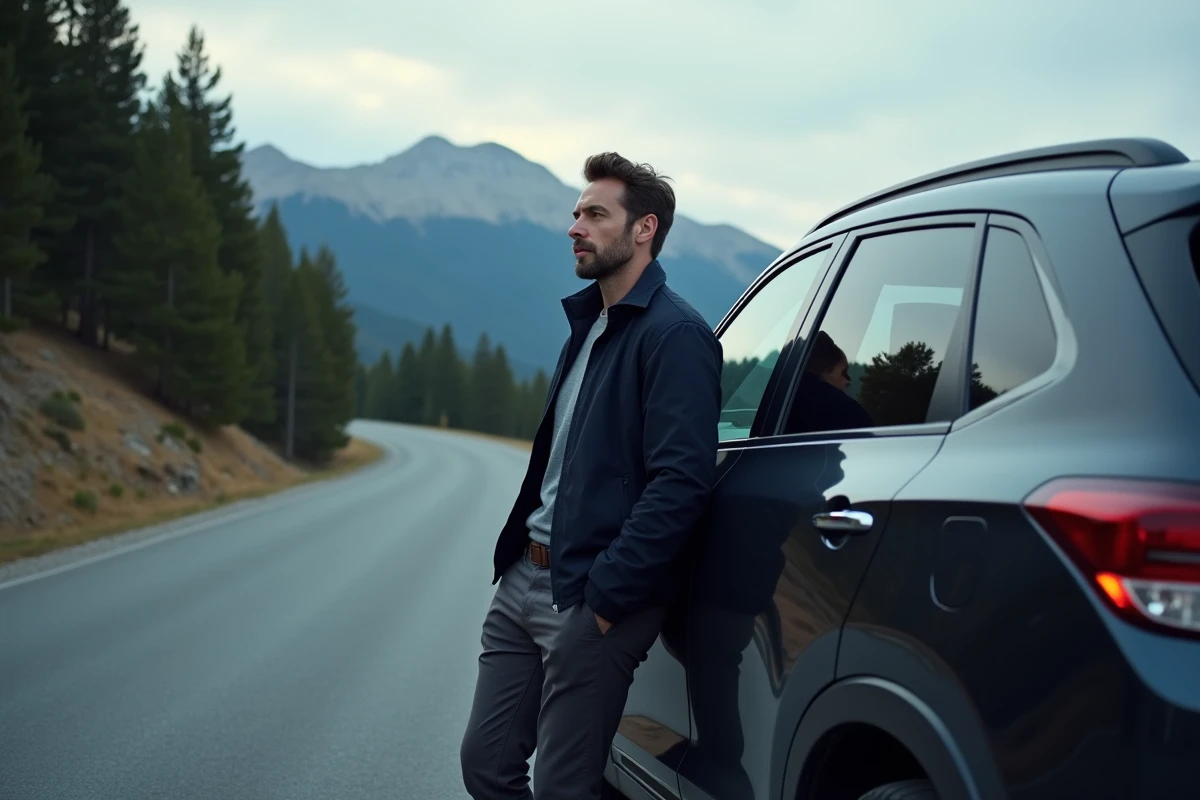
Automotive passion is shifting. Raw performance is giving way to style and embedded tech, particularly among young urbanites. Wrapping, special paints, distinctive wheels: aesthetic customization has seen a marked increase since 2024.
The electronic aspect follows the same trend. Connected alarms, GPS trackers, dash cams, and monitoring gadgets are becoming vectors of passion even on modest vehicles. An urbanite driving a used compact can now transform their interior into a connected cockpit for a reasonable budget.
Criteria for choosing relevant connected equipment
- Compatibility with the vehicle’s ecosystem (OBD-II protocols, native smartphone integration or via adapter) to avoid interface duplication.
- Reliability of the GPS tracker in dense areas: some models lose signal in underground parking, a point rarely mentioned in product sheets.
- Optical quality of the dash cam in low light, as most incidents occur at night or in overcast conditions.
This shift towards customization reflects a different relationship with the vehicle. Owning a car becomes a continuous creative project, not just a one-time purchase.
Two-speed electric mobility: urban charging points versus rural deserts
French urban areas are now covered by more than 90% in public charging points. This figure masks a much less favorable reality for rural territories, where the network is progressing slowly.
For a car enthusiast considering the purchase of an electric vehicle, this geographical divide conditions the choice of model. Real highway range remains the decisive criterion outside urban areas, much more than the maximum charging power displayed by the manufacturer.
Points to check before an electric purchase in under-equipped areas
- Map out fast charging stations on regular routes (not just slow chargers in town centers, which are often occupied or out of order).
- Check connector compatibility with the dominant local network (CCS2 covers the vast majority of recent installations).
- Evaluate the actual winter consumption of the targeted model, as cabin heating and battery use can reduce range by a quarter to a third depending on conditions.
Fashion and automotive: collaborations between manufacturers and luxury brands
Fashion brands are increasingly partnering with automotive manufacturers. This phenomenon goes beyond simple marketing partnerships. Capsule collections influence interior design (upholstery, colors, materials) and create limited editions that retain high value in the used market.
For enthusiasts, these collaborations raise a concrete question of valuation. A co-branded special edition sells better than a classic high-end trim, provided that the production run remains limited and the partner brand retains its prestige. We recommend checking the production volume before betting on resale value.
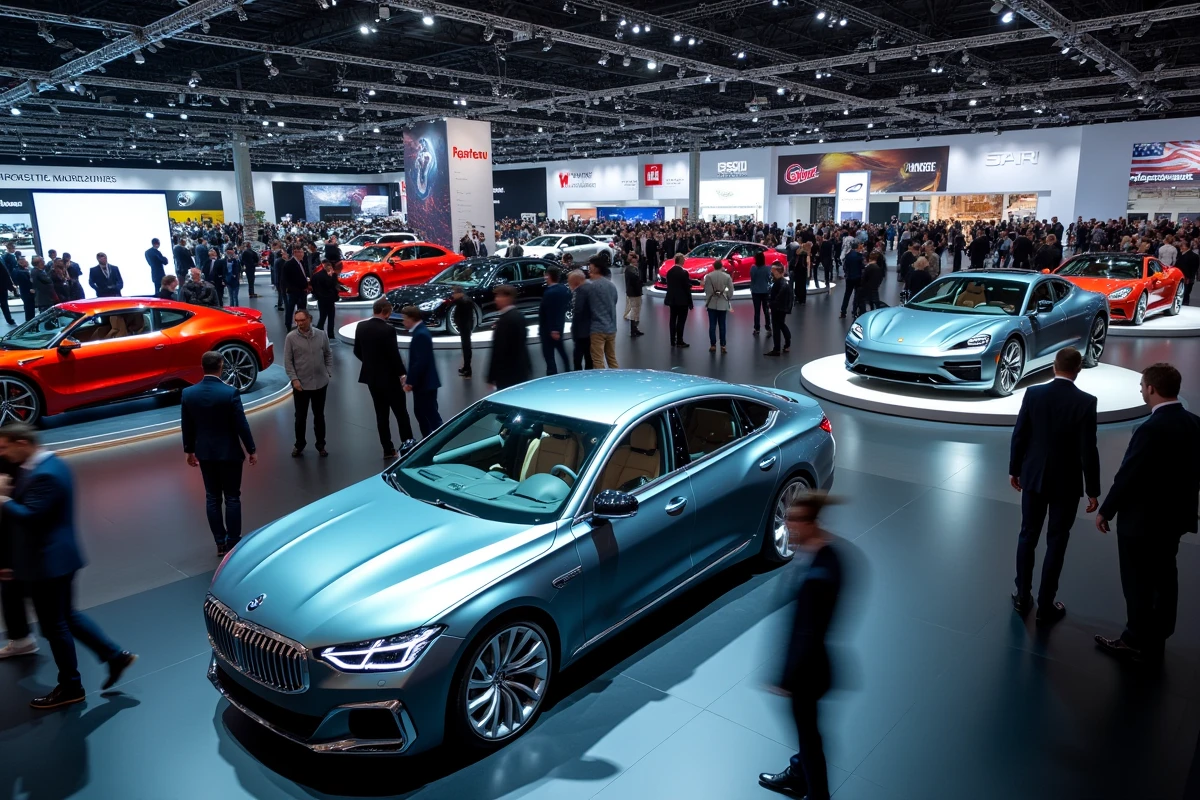
This crossover between fashion and automotive also redefines manufacturers’ communication. Launches now take place during fashion weeks or cultural events, far from traditional auto shows. The Paris Motor Show remains a technical showcase, but brand emotion is built elsewhere.
The automotive market of 2026 rewards those who read between the lines of technical sheets. A well-specified compact electric SUV, a few carefully chosen connected accessories, and vigilance regarding the local charging network: these three axes separate the forced purchase from the informed purchase.