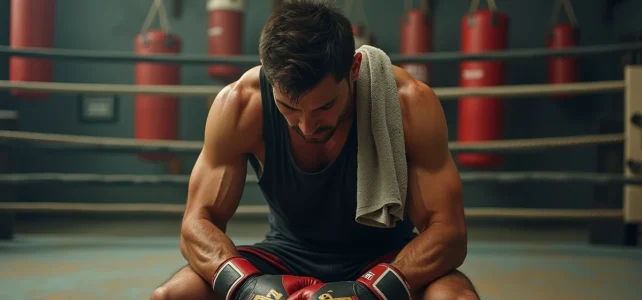
A boxer collapses in the ring, eyes rolled back. A few seconds later, he gets back up, apparently unharmed. This scene, seemingly mundane in combat sports, conceals a brain mechanism whose consequences far exceed the confines of the ring. Understanding what actually happens in the brain during a KO helps to gauge why every loss of consciousness deserves serious medical attention.
What happens in the brain at the moment of a KO
During a violent impact to the head, the brain, which floats in cerebrospinal fluid, strikes the inner wall of the skull. This shock causes a sudden dysfunction of the neurons: this is concussion.
The loss of consciousness that follows is not just a simple “turning off and on.” It reflects a massive disruption of the electrical activity of the brainstem, the area that controls consciousness and vital functions. Even when the fighter gets back up a few seconds later, their neurons have undergone metabolic stress that can last for days, even weeks.
The question of whether a KO is dangerous for health finds here a clear initial answer: each KO generates microscopic lesions, even when no visible symptoms persist beyond a few minutes.
A point often overlooked concerns so-called “mild” KOs, where the fighter does not completely lose consciousness but experiences temporary disorientation. These sub-concussive impacts, less spectacular but equally harmful, cause cumulative neuronal damage similar to that of a full KO.
Genetic vulnerability to repeated KOs
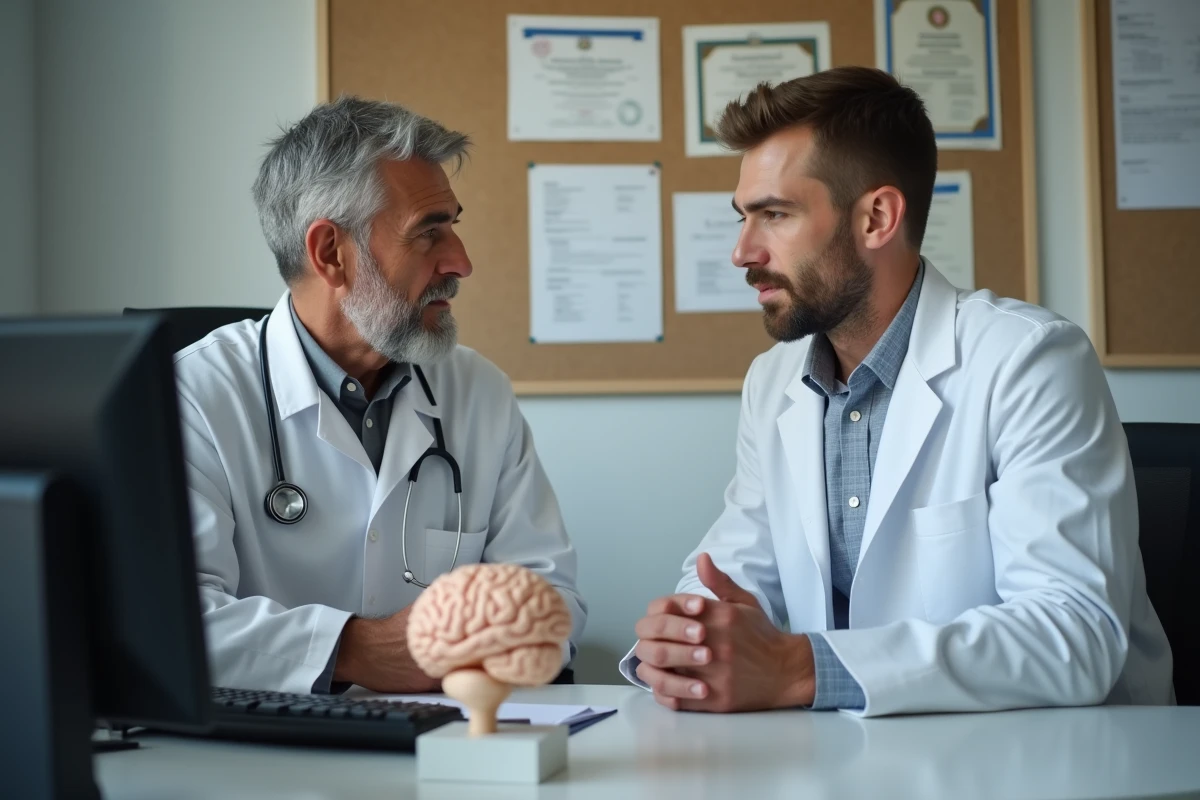
Why do some boxers withstand dozens of fights without apparent issues, while others develop neurological symptoms after just a few KOs? The answer lies partly in genetic heritage.
Recent research has identified that certain genetic variants increase the risk of sequelae after repeated head trauma. The APOE-ε4 allele, for example, is associated with a higher risk of cognitive disorders and dementia in boxers and contact sports practitioners.
This discovery changes the game for sports medicine. It means that two fighters exposed to the same number of KOs do not face the same danger. For carriers of this genetic variant, each additional concussion disproportionately worsens the prognosis.
No systematic screening currently exists for amateur athletes. Professional boxers undergo regular MRIs and neurological examinations, but these assessments do not yet take into account individual genetic profiles in most federations.
Chronic traumatic encephalopathy: visible lesions before retirement
Chronic traumatic encephalopathy (CTE) has long been considered a disease of the former boxer, detectable only years after the end of their career. Recent data contradict this idea.
The TRACK-TBI study, published in JAMA Network Open in 2024, highlighted brain alterations in athletes still active. Researchers observed cortical thinning and white matter abnormalities correlated with the number of reported concussions. These athletes also exhibited mood and memory disorders well before the usual retirement age.
This finding has direct practical implications:
- Damage does not start “one day, later” – it gradually sets in from the first repeated KOs
- MRIs can detect structural abnormalities before the onset of clear clinical symptoms
- The number of fights and career duration are reliable indicators of neurological risk level
KOs and life expectancy: what population studies show
A study conducted on former British professional boxers documented a higher mortality from neurodegenerative diseases and suicide several decades after their careers ended, compared to the general population.
This higher mortality does not affect all former fighters equally. It is correlated with two main factors: career duration and total number of fights. These two parameters serve as indirect indicators of the number of KOs and concussions sustained over the years.
Post-concussion syndrome, which includes persistent headaches, concentration difficulties, and irritability, often serves as the first warning sign. In some former boxers, these symptoms evolve into more severe conditions: severe depression, debilitating memory disorders, or even early-onset dementia.
What changes between amateurs and professionals
Professional boxers accumulate more rounds and fights, which mechanically increases exposure to KOs. Amateurs benefit from additional protections (mandatory helmets in certain federations, quicker stoppage of fights by referees), but zero risk does not exist in combat sports.
Medical protocols also vary significantly. A ringside doctor at a professional gala has evaluation resources that a volunteer head of an amateur club does not. This inequality in access to post-fight examinations amplifies risks for the least medically monitored population.
Prevention and medical follow-up after a KO
The period immediately following a KO is the most critical. A brain that has just suffered a concussion is much more vulnerable to a second impact. This phenomenon, known as second impact syndrome, can cause fatal brain swelling.
Here are the measures that effectively reduce the risks of lasting sequelae:
- Adhere to strict rest without training during the period prescribed by the doctor after any KO or suspected concussion
- Undergo a brain MRI and a neuropsychological assessment before resuming competition
- Keep a personal record of the number of concussions sustained and communicate it to each new sports doctor consulted
- Consult a neurologist as soon as persistent memory, mood, or sleep disturbances appear after a fight
Boxing and combat sports are not the only ones affected. Rugby, American football, and ice hockey also expose participants to repeated concussions with comparable consequences on the brain.
Each KO leaves a measurable biological trace. The frequency of these traumas and the quality of medical follow-up determine, much more than the sport practiced, the extent of long-term sequelae.